A specialist DUNNIXER engagement for an active vendor decision
AI Vendor Evaluation Scorecard & Selection Advisory
DUNNIXER helps enterprise teams compare shortlisted AI vendors and reach a defensible selection decision. We facilitate stakeholder alignment, apply a weighted scorecard to equivalent vendor evidence, surface risks and trade-offs, and deliver a documented recommendation for executives, procurement, legal, and governance teams.
Use the engagement for an active shortlist or RFP, a pilot-to-scale decision, a renewal, or a re-evaluation after material architecture, risk, or commercial change.
When vendor evaluation forms part of a wider pursuit, Opportunity Solutioning provides the broader route for shaping and defending the technical opportunity.
What this solves and when to use it
- What this solves: Replaces opinion-led vendor selection with a documented process that procurement, legal, security, and business leaders can align on.
- When to use it: During new purchases, renewals, pilot-to-scale decisions, and re-evaluation when risk or commercial terms change.
- What makes it defensible: Agreed decision factors, comparable evidence per vendor, scoring rationale, and a risk, assumption, and decision log.
Learning how to structure the evaluation? Read the six evaluation dimensions and evidence requests before deciding whether you need a facilitated scorecard and selection advisory.
Representative scorecard and decision outputs
These illustrative, anonymized structures show how vendor comparisons and decision logs can be documented for executives, procurement, and risk teams. They are not client results.
- Scorecard template with weighted decision factors and evidence notes
- Side-by-side comparison snapshot with rationale highlights
- Risk, assumption, and decision log (owners + status)
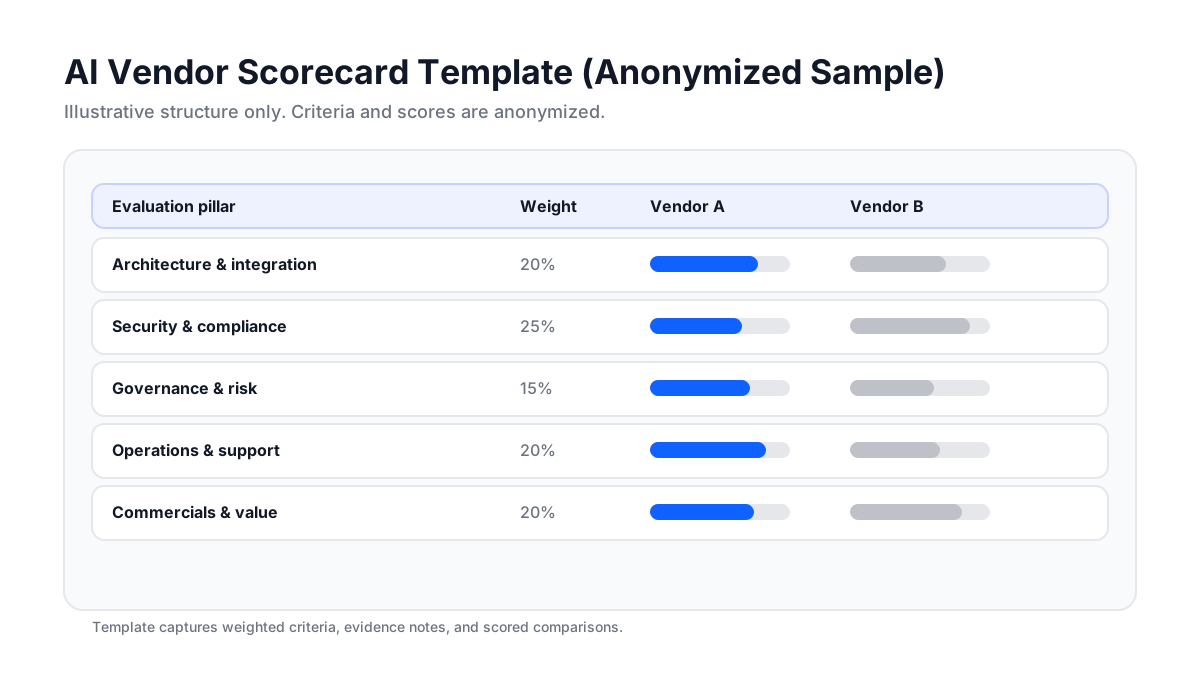
Illustrative scorecard structure for weighted comparison.
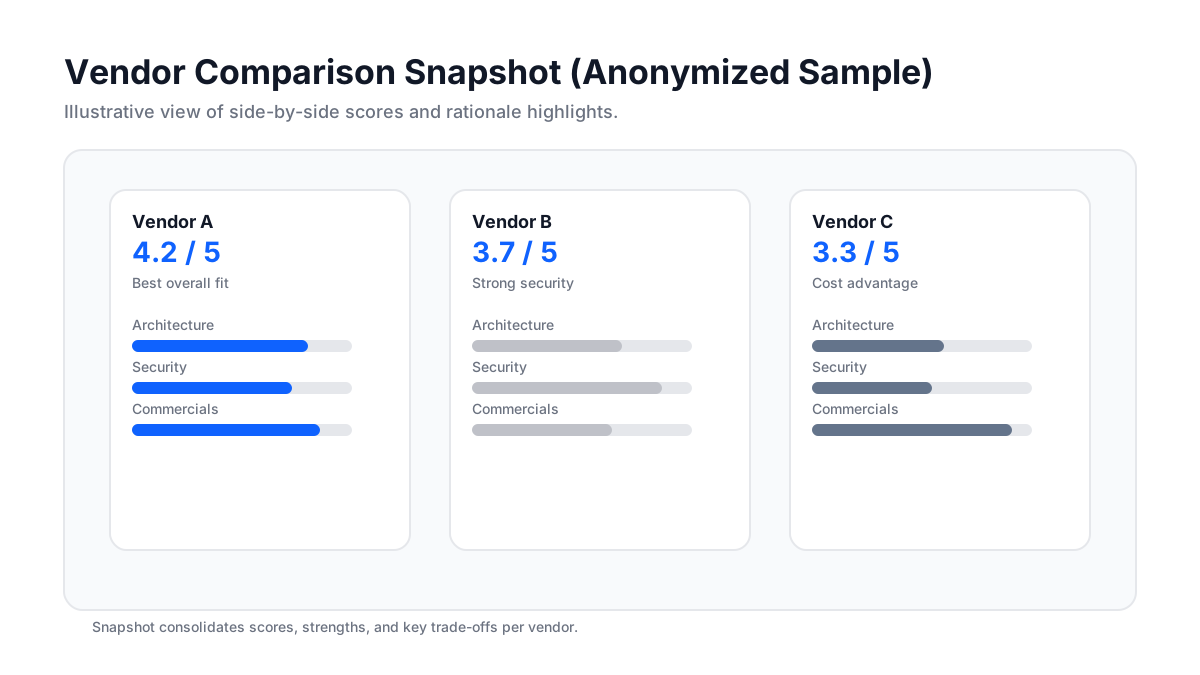
Illustrative side-by-side comparison snapshot.
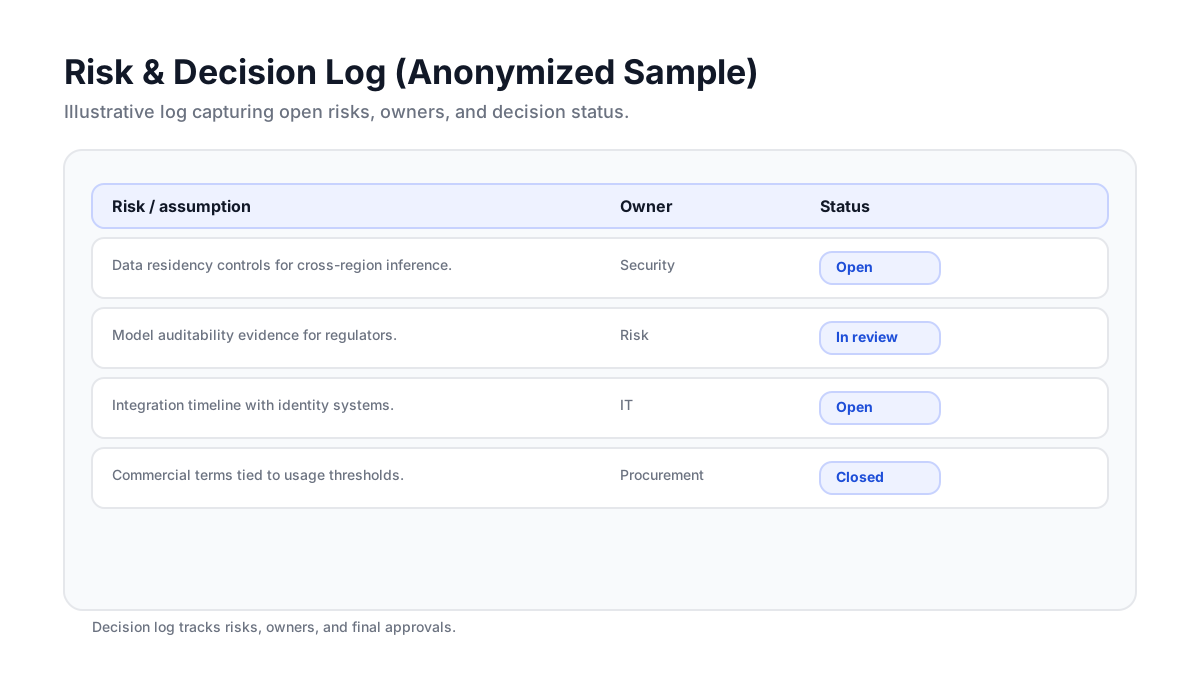
Illustrative risk and decision log with owners and status.
Deliverables: AI vendor scorecard, comparison summary, and decision log
The engagement combines a structured scorecard, facilitated workshops, and evidence-backed comparisons so you can move from longlists to a defensible vendor selection.
- A tailored AI vendor evaluation scorecard aligned to the decision, use case, operating constraints, risk appetite, and commercial context.
- Facilitated working sessions to align stakeholders on scenarios, decision factors, evidence expectations, and weightings before vendors are scored.
- Structured assessment of shortlisted vendors using comparable evidence rather than ad hoc opinions or unmatched demonstrations.
- Side-by-side comparisons and a clear recommendation that can stand up to scrutiny from procurement, legal, and audit.
- A reusable scorecard and playbook you can apply to future AI vendor decisions.
How the selection advisory works
A pragmatic sequence from requirements to recommendation, designed to work alongside your procurement and legal processes.
1. Frame the decision
Align on use cases, stakeholders, constraints, risk appetite, decision factors, and the evidence every shortlisted vendor must provide.
2. Evaluate the shortlist
Apply the scorecard to equivalent documentation, demos, and, where relevant, pilots. Record evidence, rationale, assumptions, and unresolved risks.
3. Recommend and govern
Produce the comparison and recommendation, document trade-offs and conditions, and leave an approval-ready decision record.
What makes the recommendation defensible
Each material requirement is connected to vendor evidence, a recorded score and rationale, unresolved risks and mitigations, and the accountable approval. This traceability lets decision-makers see why a vendor was selected and which conditions must be managed after contract signature.
- Business owners confirm the use case and value assumptions.
- Architecture, data, security, privacy, and risk teams validate constraints.
- Procurement and legal review commercial terms, dependencies, and exit exposure.
- DUNNIXER facilitates comparison and documentation; accountable leaders retain the decision.
See whether this matches your next AI vendor decision
If you’re planning an AI vendor selection or renewal, we can walk through the scorecard and see whether it fits your context.
Frequently asked questions
Key details about the AI Vendor Evaluation Scorecard & Selection Advisory engagement.